-
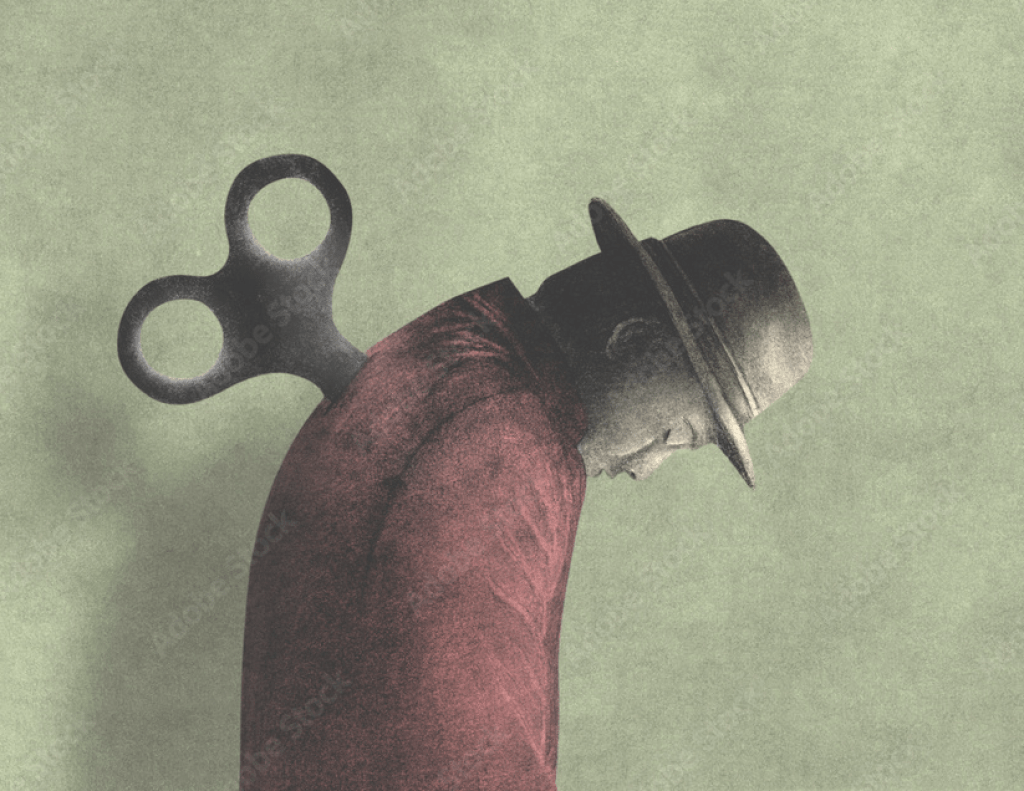
There is always a sense of urgency that democracy is under threat. In one sense, that’s true — democracy is always under threat.
-

Politics encompasses more than just the struggle for resources; it also involves challenging social norms. Daily debates revolve around defining morality and perspectives, which political parties use to influence constituents. This power struggle can perpetuate societal inequalities, making political theory essential for understanding political complexities and guiding action.
-

Australia’s Liberal/National Coalition Party faces leadership change with one year until the federal election. Leader Peter Dutton is pushing a controversial nuclear policy amid climate change inaction to gain election advantage, despite widespread opposition and lack of detail. The media’s focus on this issue highlights the party’s climate change stance and influence on public opinion.
-

Conflict is intrinsic to liberal democracy, but it becomes problematic when democratic trust erodes, leading to polarisation. This can occur when politicians disregard democratic rules, ultimately threatening democracy. With an increasing number of two-party systems, finding a middle ground becomes challenging.
-
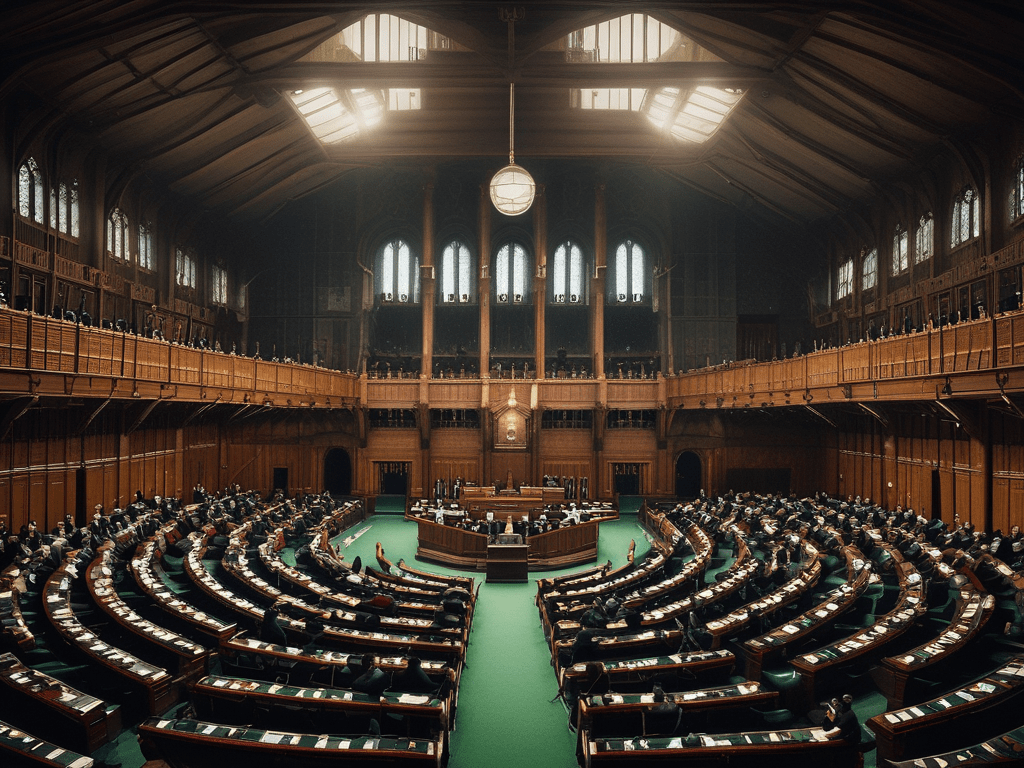
The 2023 Indigenous Voice to Parliament referendum in Australia saw divisive campaigning and misinformation, reflecting global political polarisation. This conflict, evident in both mass and elite polarisation, highlights the complex dynamics of contemporary political landscapes, influencing societal divisions and moral categorisations within liberal democracies.
-
Subscribe
Subscribed
Already have a WordPress.com account? Log in now.
 Politically minded