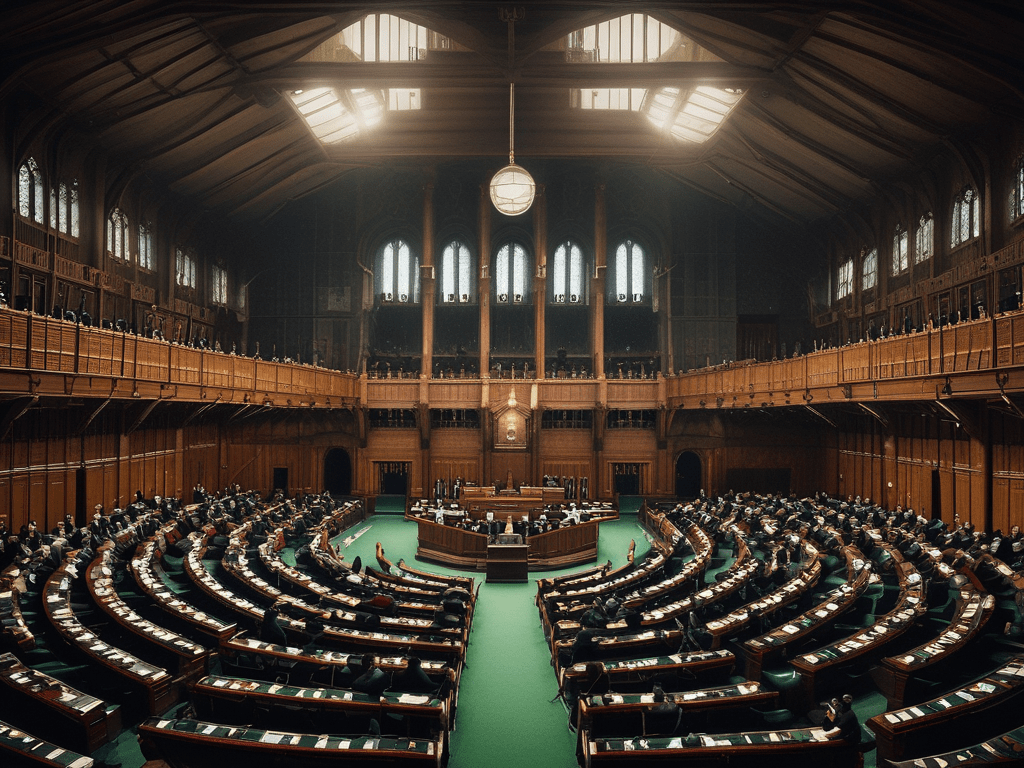
Divisions between ‘yes’ and ‘no’ campaigners marred Australia’s 2023 Indigenous Voice to Parliament referendum. Instead of focusing on how Indigenous people could articulate their concerns on matters affecting them through the Voice, the ‘no’ campaign centred on creating division. Misinformation characterised the lead-up to the referendum, featuring false claims about the Voice having the authority to seize land. Additionally, the opposition leader questioned the electoral process and the Australian Electoral Commission’s (AEC) integrity. This departure from the norm, where no leader of a mainstream political party in Australia had previously questioned AEC processes, aligns Australia with nations where conspiracist and far-right groups propagate notions of rigged elections.
In contemporary political discourse, political polarisation fuels intense debates that permeate the modern political landscape. These were evident during the global COVID-19 pandemic, the 2020 United States presidential election, and the United Kingdom’s Brexit referendum. At its core, political polarisation involves the clash of opposing political ideologies, primarily within and between political parties and democratic governance structures. This conflict symbolises the binary ideologies inherent in two-party systems, shedding light on the intricate dynamics underpinning contemporary political landscapes. Within the purview of political science, a prevailing consensus holds that political polarisation manifests across three distinct categories.
Firstly, mass polarisation delineates a societal division along partisan lines, where individuals align themselves based on party affiliations. This division transcends ideological differences, with divergent factions viewing each other through a spectrum ranging from opposition to potential threats against their way of life and the nation at large.
The second category, elite polarisation, is often construed as a precursor to mass polarisation. This manifestation occurs within democratic governments and encapsulates the schism between governing and opposition parties. The tension arises from policy disparities, as the governing party introduces legislation subject to opposition party ridicule, thereby intensifying the ideological conflict within the political landscape.
The third category, affective polarisation, delves into the emotional dimensions of political affiliation. Individuals experience heightened positive sentiments towards their respective political parties, concomitant with an escalation of negative emotions directed towards opposing political entities. This emotional dichotomy is observable not only at an individual level but also extends to societal dynamics, where social groups contribute to the widening divide by resorting to insults and fostering a binary perception of individuals as either aligned with the virtuous or antithetical to accepted viewpoints.
Furthermore, the ramifications of political polarisation extend to moral polarisation, culminating in a moral dichotomy of individuals into categories of perceived moral rectitude and moral deficiency based on their political orientations. This intricate interplay of ideological conflict, emotional polarisation, and moral categorisation forms the multifaceted tapestry of political polarisation, significantly contributing to the complexity of contemporary political landscapes.
In democracies, conflicts are inherent, whether manifesting internally within political parties or among diverse social groups. The intricacies of these conflicts challenge simplistic categorisations, prompting debates about the distinctions between parties and the presence of politicians holding opposing ideological stances within the same political entities. In liberal democracies, such as Australia, divisions and conflicts are constant, raising questions about the nature of a “good” liberal democracy.
To unravel the complexities of liberal democracies, delving into the foundational ideas that underpin them is crucial. Understanding the underlying principles shaping these political systems provides insights into the dynamics of conflict and polarisation, contributing to a nuanced comprehension of what constitutes a robust and effective liberal democracy.
 Politically minded