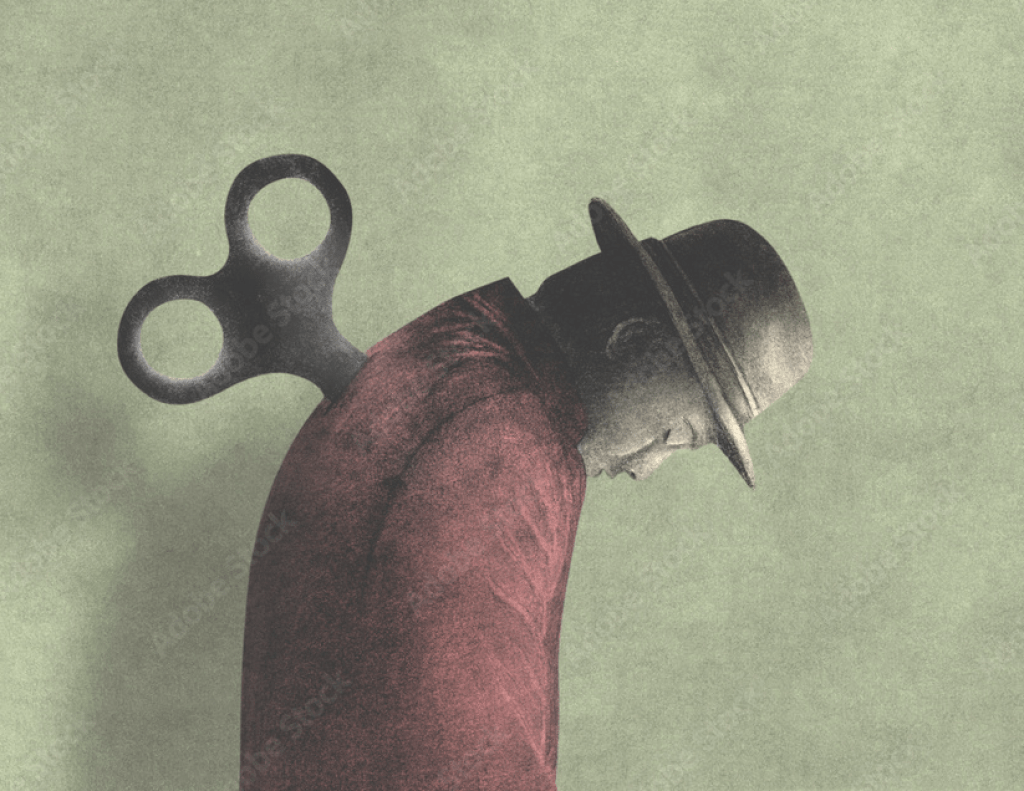
There is always a sense of urgency that democracy is under threat. In one sense, that’s true — democracy is always under threat. Not because it is uniquely fragile in our moment, but because it repeatedly produces leaders who then test, erode, or undermine the institutions that brought them to power. History offers no shortage of examples, and there is little reason to think there won’t be more.
There isn’t much we can do to eliminate this pattern entirely. There will always be another leader willing to push against institutional limits. The more interesting question is where attention turns in response.
Often, it turns to the people. Perhaps democracy would be safer if people were more engaged, more informed — a thought I return to often — more active, more vocal. Perhaps people would recognise the warning signs earlier next time. Or, more uneasily, perhaps we are building a society that has grown accustomed to watching democratic erosion unfold in real time.
I don’t blame people who aren’t more active or more vocal. It’s not as though contemporary governments appear especially open to hearing what citizens have to say. And when it comes to being more active, it only takes a glance at recent protest reforms in NSW to see how quickly the right to protest — a fundamental democratic function — can be narrowed and constrained.
Nor do I blame people who aren’t more informed, particularly given the state of Australia’s media landscape. It is hard to avoid the sense that much political coverage has lost its credibility as it has become more deeply entangled in the pursuit of political power, shaping public opinion in ways far from neutral.
And yet, democracies are only as resilient as the people who uphold them. Like a rubber band, they can stretch — but only for so long before they lose their elasticity. If people appear fatigued by politics today, it may not be because they are disengaged, but because sustained engagement has been demanded without providing many durable avenues for building resilience.
At first glance, this seems like a simple case of disengagement. But that framing obscures a harder question: what it means to expect democratic resilience from citizens while steadily limiting the conditions that make it possible.
Published on Substack
 Politically minded